
Delhi Government Begins Removal of Chinese CCTV Cameras Over Security Concerns
- National
- (Asia/Kolkata)
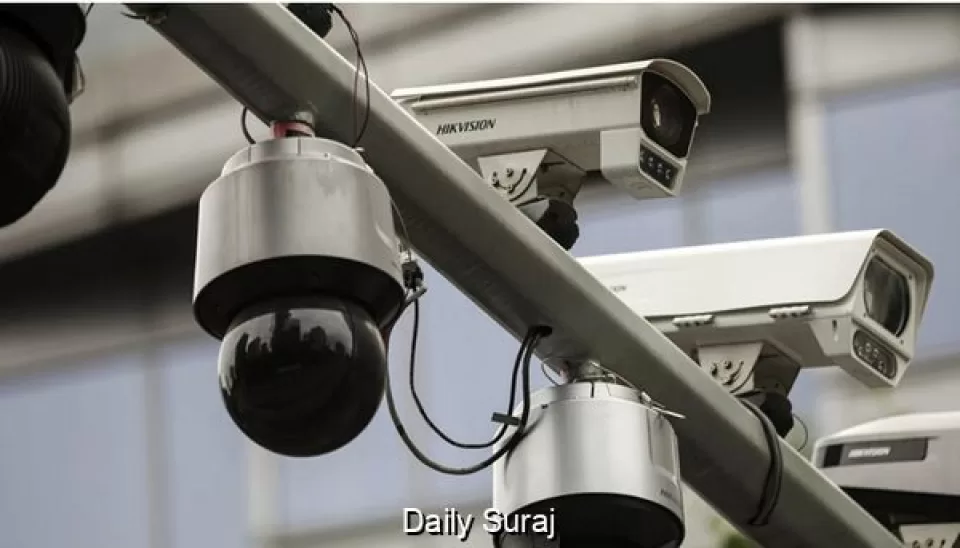
The Delhi government has initiated the phased removal of Chinese-origin CCTV cameras installed across the city, citing growing concerns over national security and data privacy. The decision particularly targets surveillance systems manufactured by Hikvision. The Public Works Department (PWD) has begun dismantling approximately 1.4 lakh cameras that were installed during the previous administration. Officials stated that the move is aligned with enhanced security measures and newly enforced regulatory norms that came into effect from April 1. Authorities have expressed apprehension that foreign-made surveillance systems could be vulnerable to hacking and unauthorized data access. Concerns regarding potential backdoor access and cybersecurity risks associated with certain Chinese brands have been raised repeatedly in recent years. Several Western countries have already imposed restrictions on such equipment, citing national security and human rights issues. Under the new regulatory framework, all manufacturers, including Hikvision, are now required to submit their internet-connected camera systems for testing and certification at government-approved laboratories before they can be sold in India. These rules will apply to all devices manufactured or imported after April 9, tightening oversight in the domestic market. The government aims to reduce dependence on Chinese technology and shift towards “trusted source” systems that meet stringent cybersecurity standards. Officials indicated that the transition will be carried out in phases to ensure there is no disruption in surveillance operations across the national capital. The decision has also sparked a political debate. BJP leader Parvesh Sahib Singh alleged that the Aam Aadmi Party (AAP) government had earlier overlooked security concerns while installing Chinese cameras. In response, AAP leader Saurabh Bhardwaj questioned why the central government had not imposed a nationwide ban on such systems, including those installed in critical infrastructure like metro projects. He further termed the move as a pretext for awarding new contracts.






Leave a Reply