
Hormuz Blockade Complicates Iran Talks, Warns Pakistan Army Chief Munir
- International
- (Asia/Kolkata)
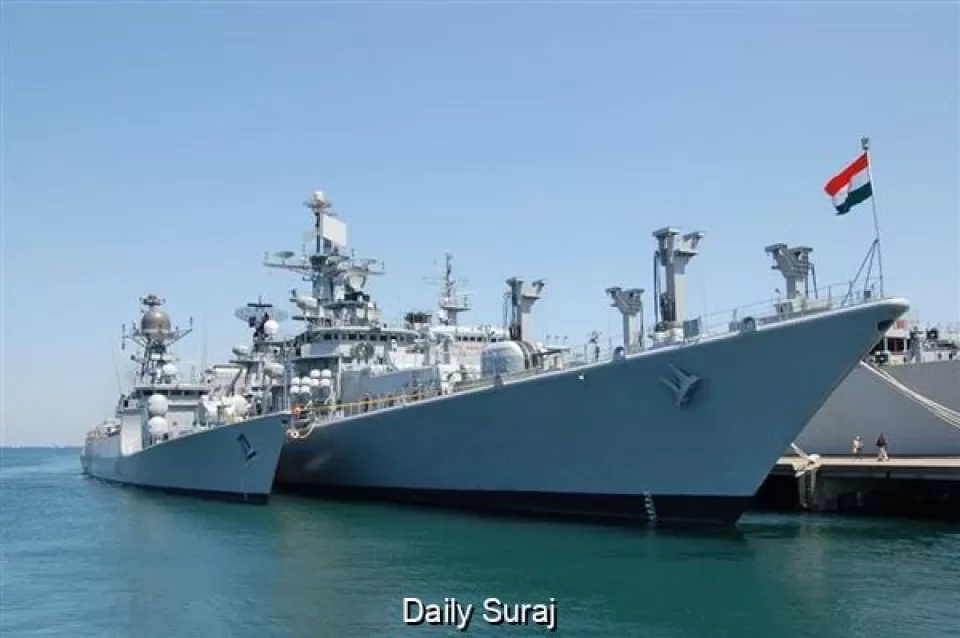
Amid escalating tensions in the Middle East, Donald Trump held a telephonic conversation with Pakistan’s Army Chief Asim Munir regarding the ongoing situation surrounding the Strait of Hormuz. According to Pakistani military sources, Trump assured that concerns related to the blockade in the region would be reviewed, while both sides held detailed discussions on the issue. During the conversation, Munir emphasized that continued blockade in the Strait of Hormuz would make further dialogue with Iran difficult. In response, Trump stated that the matter would be considered carefully. The development comes shortly after the United States carried out an operation on Sunday, targeting and seizing an Iranian-flagged cargo vessel. US officials claimed that the ship had attempted to breach a naval blockade imposed near the Hormuz Strait. Reacting strongly, Iran’s joint military command warned that the move would not go unanswered, further intensifying tensions ahead of the next round of talks between the two nations. This marks the first such interception since the US initiated a blockade of Iranian ports last week. Iranian state media described the seizure as illegal and a violation of the ceasefire, alleging that force was used to take control of the vessel. The situation remains uncertain as the ceasefire is set to expire on Wednesday. It is unclear whether Trump’s earlier announcement—regarding US negotiators traveling to Pakistan for the second round of talks with Iran—will proceed as planned. While Iran has not officially confirmed the talks, Mohammad Bagher Ghalibaf stated in a televised interview that there would be “no retreat in diplomacy,” though he acknowledged significant gaps between the two sides. Meanwhile, Iran recently announced the closure of the Strait of Hormuz in response to the US naval blockade, adding another layer of complexity to the already volatile situation. Separately, Joseph Aoun stated that ongoing discussions with Israel should remain separate from the Iran-related conflict. He highlighted that Lebanon faces two options—either continued conflict or resolution through dialogue. A recent meeting between Lebanese and Israeli ambassadors in Washington, the first in over 40 years, has provided a new direction to diplomatic efforts. Additionally, the ongoing conflict has resulted in heavy casualties. According to official figures released by Iran, more than 3,375 people have been killed so far. The data, shared by Abbas Masjedi, revealed that the victims include 2,875 men, 496 women, and 383 children under the age of 18. The escalating crisis has also impacted global oil markets. Iran’s First Vice President Mohammad Reza Aref warned that stability in oil prices would remain elusive unless sanctions on Iranian oil exports are lifted. Following disruptions in tanker movement through the Hormuz Strait, crude oil prices saw a sharp rise, with US crude increasing by 6.4% to $87.88 per barrel, while Brent crude surged by 6.5% to $96.25 per barrel.




Leave a Reply