
High Court Tough on Punjab Over Unpaid Pension Dues; Seeks Detailed Timeline and Budget Plan
- Punjab
- (Asia/Kolkata)
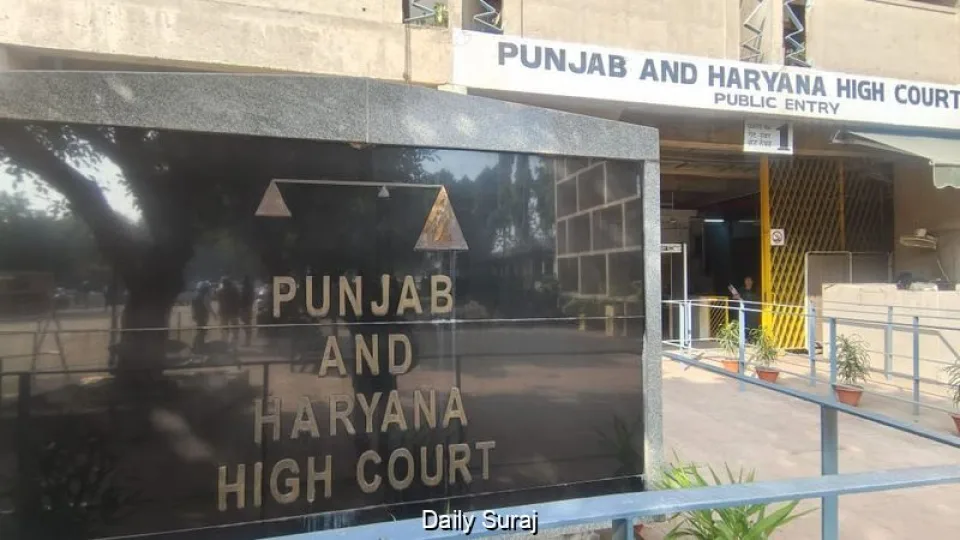
Taking a strong stance on the non-payment of retirement benefits and uncredited General Provident Fund (GPF) amounts for civic body employees, the Punjab and Haryana High Court has directed the Punjab government to submit a comprehensive report on the pending dues. Hearing the matter, Justice Namit Kumar instructed the state government to furnish complete details regarding the total outstanding amount, required funds, available budget, and a clear timeline for clearing all pending payments. The court’s direction came during the hearing of two separate petitions, where it observed that the compliance report submitted by the Punjab government failed to address several key issues. Although Local Government Secretary Ghanshyam Thori filed an affidavit along with a status report and a Standard Operating Procedure (SOP), the bench noted that it lacked essential details regarding the exact liability and clearance schedules for pending dues. Questions Raised Over Deducted GPF Money The High Court raised serious concerns over financial management, specifically asking the government to clarify how many employees had GPF amounts deducted from their salaries that were never actually deposited into their respective accounts. Furthermore, the bench sought a complete breakdown of pending liabilities related to Provident Fund (PF) and Contributory Provident Fund (CPF), alongside a clear assessment of the funds required to settle these arrears. Concern Over Delay in Benefits for Class III and IV Staff Expressing deep concern over the disparity in processing retirement benefits, Justice Namit Kumar noted that lower-tier employees face systemic delays. The court highlighted that while Class I and Class II officers frequently receive their post-retirement dues relatively quickly, Class III and Class IV staff are forced to wait for months to get their legitimate entitlements. The bench remarked that lower-income retirees rely heavily on these terminal benefits for daily household expenditures, medical treatments, and family commitments. Justice Kumar emphasized that forcing retired workers to approach courts to claim their lawful dues is unfortunate, instructing the Punjab government to establish a robust system to guarantee timely disbursements in the future.



Leave a Reply