
Moscow Peace Talks End Without Joint Statement Amid Pakistan-Afghanistan Differences
- National
- (Asia/Kolkata)
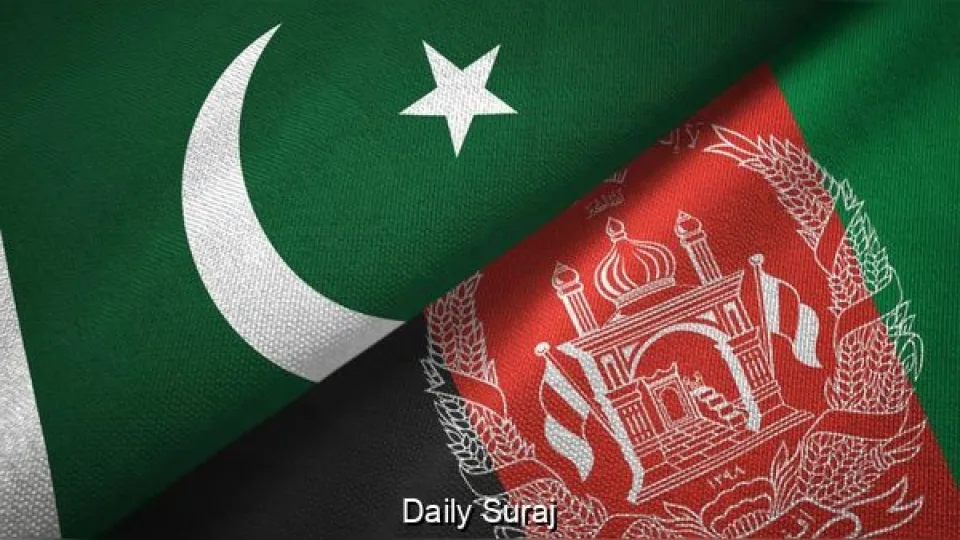
The eighth meeting of the “Moscow Format” regional consultations on Afghanistan ended without a joint statement after Pakistan and Afghanistan failed to resolve their differences, media reports said on Tuesday.
According to a report by Dawn, Zamir Kabulov, Russia’s special presidential envoy for Afghanistan, said Moscow regretted that the participating countries could not reach an agreement on the final document.
Kabulov said the difficulty emerged while the participants were preparing the draft of the joint statement. He noted that the Afghan and Pakistani sides were unable to reach a common position on the document.
The Moscow meeting was attended by special envoys and senior officials from Afghanistan, China, India, Iran, Kazakhstan, Kyrgyzstan, Pakistan, Russia, Tajikistan and Uzbekistan. Belarus and Egypt participated as guests. The Moscow Format was established in 2017 and has since emerged as one of the key regional diplomatic platforms dealing with Afghanistan.
The failure to agree on a joint statement highlighted how the worsening dispute between Pakistan and Afghanistan is complicating broader regional efforts to build consensus on Afghanistan. Tensions between Islamabad and Kabul were among the major issues discussed during the meeting, with disagreements over references to terrorism and counter-terrorism ultimately preventing the adoption of a joint document.
Kabulov said the Afghan side objected to references that placed Afghanistan in a terrorist context.
Pakistan’s Special Representative for Afghanistan, Mohammad Sadiq, told the meeting that Islamabad wanted peace and stability in the region and had continued political and diplomatic engagement with the Taliban leadership.
Sadiq said Pakistan remained committed to political and diplomatic efforts aimed at addressing the threat of terrorism originating from Afghan territory. He also said Islamabad had maintained a patient approach toward its engagement with the Taliban authorities.
He further argued that Pakistan’s goodwill gestures and responsible approach had been misunderstood, which, according to him, had been followed by an increase in terrorist attacks originating from Afghan territory with the active support and protection of the Taliban authorities.
Meanwhile, Afghanistan’s Taliban Foreign Minister Amir Khan Muttaqi criticised Pakistan’s statements and actions toward Afghanistan. He accused Islamabad of using military pressure, refugees, students and transit routes as instruments of pressure.
Muttaqi, however, stressed that the problems affecting relations between the two neighbouring countries could be resolved through dialogue and diplomacy.




Leave a Reply