
Punjab–Himachal Entry Tax Row: Rising Costs to Impact Travellers and Businesses
- National
- (Asia/Kolkata)
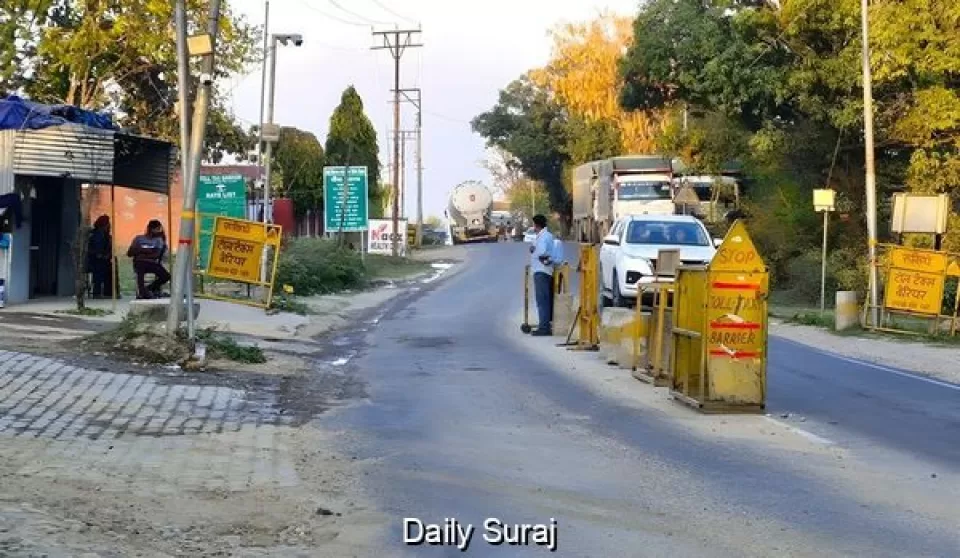
A growing dispute between Punjab and Himachal Pradesh over a steep increase in entry tax on vehicles has raised concerns among travellers, transporters, and residents of border areas. The issue centres around the revised toll charges imposed by Himachal Pradesh on vehicles entering the state, particularly those registered outside its jurisdiction. Punjab has announced that it may impose a counter tax on vehicles entering its territory from Himachal Pradesh in response to the hike. The ongoing standoff has already begun affecting tourists and regular commuters, who frequently travel between the two states for religious visits, business, education, and daily needs. The entry tax, collected at inter-state barriers, applies to private vehicles, commercial transport, buses, and goods carriers. While such a levy has been in place for decades under the Himachal Pradesh Toll Act, 1975, the recent sharp increase in rates has triggered widespread dissatisfaction. Historically, the tax structure has evolved over time. In 2003, the tax was extended to private vehicles, with a charge of ₹30. Between 2017 and 2022, the previous government exempted locally registered vehicles while increasing the toll for out-of-state private vehicles to ₹40. The current government later raised it to ₹70 and has now announced a further increase to ₹170, effective from April 1, 2026. Under the revised rates, private cars will be charged ₹170, up from ₹70. Mini buses will see an increase from ₹180 to ₹320, buses from ₹320 to ₹600, and heavy goods vehicles from ₹720 to ₹900. The hike has led to protests, particularly in Punjab’s border regions such as Ropar, Nangal, and Anandpur Sahib. Thousands of people from these areas depend on daily travel to Himachal Pradesh for work, trade, and personal needs. Transporters and taxi operators have expressed concern that the increased charges will raise travel and logistics costs. Critics also argue that such levies on national highways contradict the principle of free inter-state movement. Himachal Pradesh expects to generate over ₹170 crore in revenue from entry tolls in the upcoming financial year. The state has more than 50 toll barriers. The government has defended the increase, stating that it is necessary to manage financial constraints following the discontinuation of Revenue Deficit Grant (RDG) support from the Centre. On the other hand, Punjab’s response is being led by Harjot Singh Bains, who has indicated that the state may not only impose reciprocal taxes but also challenge the move legally in the Supreme Court. The impact of the dispute is expected to be most severe on residents of border areas, truck drivers, bus operators, taxi drivers, and businesses such as roadside shops and eateries that rely heavily on inter-state traffic. Experts suggest that relief measures for border residents and dialogue between the two states could help resolve the issue. At present, the matter is under consideration in the Himachal Pradesh High Court. If retaliatory measures are implemented, the situation could escalate into a broader “tax war” between the two states.



Leave a Reply