
Demand for Skilled Migration Grows Amid Critical Workforce Gaps Across Australia
- International
- (Asia/Kolkata)
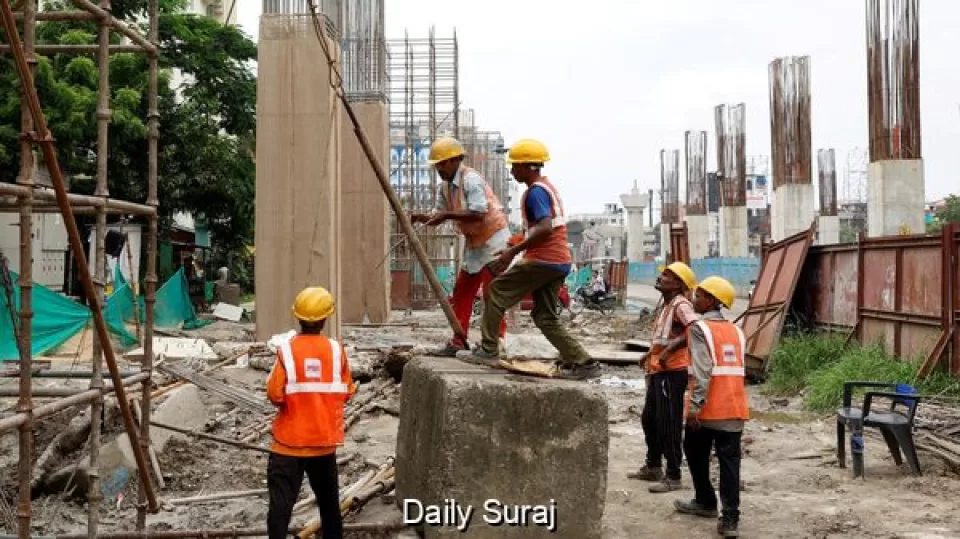
Australia is facing a historic shortage of skilled workers across the health, education and construction sectors, leaving hundreds of thousands of positions unfilled. According to the government agency Jobs and Skills Australia, nearly 30 per cent of the country's professional occupations are currently experiencing significant workforce shortages. The most severe shortage is in the nursing profession. Australia currently has a deficit of around 100,000 nurses, and this figure is projected to increase to between 123,000 and 150,000 by 2030. At present, the health sector has approximately 150,000 vacant positions, highlighting the growing pressure on healthcare services. The education sector is also experiencing an acute workforce shortage. More than 50,000 teachers are needed immediately, while future demand is expected to rise to 132,000. Meanwhile, the construction and skilled trades sector faces an immediate shortage of nearly 90,000 skilled workers, a number that could exceed 185,000 during 2026-27. Electricians, plumbers, carpenters, welders and bricklayers remain among the most sought-after trades. In addition, rural and remote areas continue to face a shortage of 1,500 to 3,000 family doctors, adding further pressure to essential services. Employment and Workplace Relations Minister Amanda Rishworth said the government is strengthening training programs, apprenticeship schemes and the skilled migration system to address the shortage of qualified workers. She stated that these measures are intended to attract skilled professionals from overseas to fill critical vacancies. The government believes Australia's skilled migration program will play a vital role in meeting future demand for nurses, doctors, teachers, engineers and construction workers. Experts have cautioned that unless Australia improves both domestic skills training and skilled migration pathways, it may struggle to meet the growing demands created by population growth, housing construction and expanding healthcare services. As a result, opportunities under Australia's skilled migration program are expected to increase across several occupations in the coming years. A separate report also revealed new figures on Australia's permanent visa program. During the 2024-25 financial year, Australia granted 185,001 permanent visas, with approximately 71 per cent issued under the skilled migration category. However, the report claimed that only 33 per cent of those visas were granted to the primary skilled applicants, while the remaining visas were issued to accompanying family members, including spouses and children.






Leave a Reply